Sculptural Stone in Architecture
When Natural Stone Becomes the Architecture
Natural stone has evolved beyond its traditional role as a surface finish. In contemporary architecture and interior design, marble and other premium stones are increasingly specified as sculptural, structural, and spatial elements — shaping environments rather than simply decorating them.
From monolithic stone walls to carved volumes and seamless stone transitions, architects are turning to natural stone to introduce weight, permanence, and material authenticity into modern spaces.
Natural Stone as a Sculptural Medium
Unlike engineered materials, natural stone carries inherent variation, geological depth, and visual movement. When used in large format slabs or carved elements, it becomes a three-dimensional design medium, capable of defining scale and proportion.
Architects often specify sculptural stone to:
- Create focal points within open-plan spaces
- Establish visual hierarchy and rhythm
- Introduce tactile contrast to minimalist interiors
- Anchor contemporary architecture with timeless materiality
Monolithic Marble Applications
One of the most powerful expressions of sculptural stone is the monolithic marble installation. Large-format slabs, bookmatched surfaces, and continuous stone planes allow interiors to feel cohesive and intentional.
Common applications include:
- Full-height marble feature walls
- Reception and lobby backdrops
- Gallery-style residential interiors
- Architectural stair cores
The absence of visible joints reinforces the impression of solidity and craftsmanship.
Carved & Bespoke Stone Elements
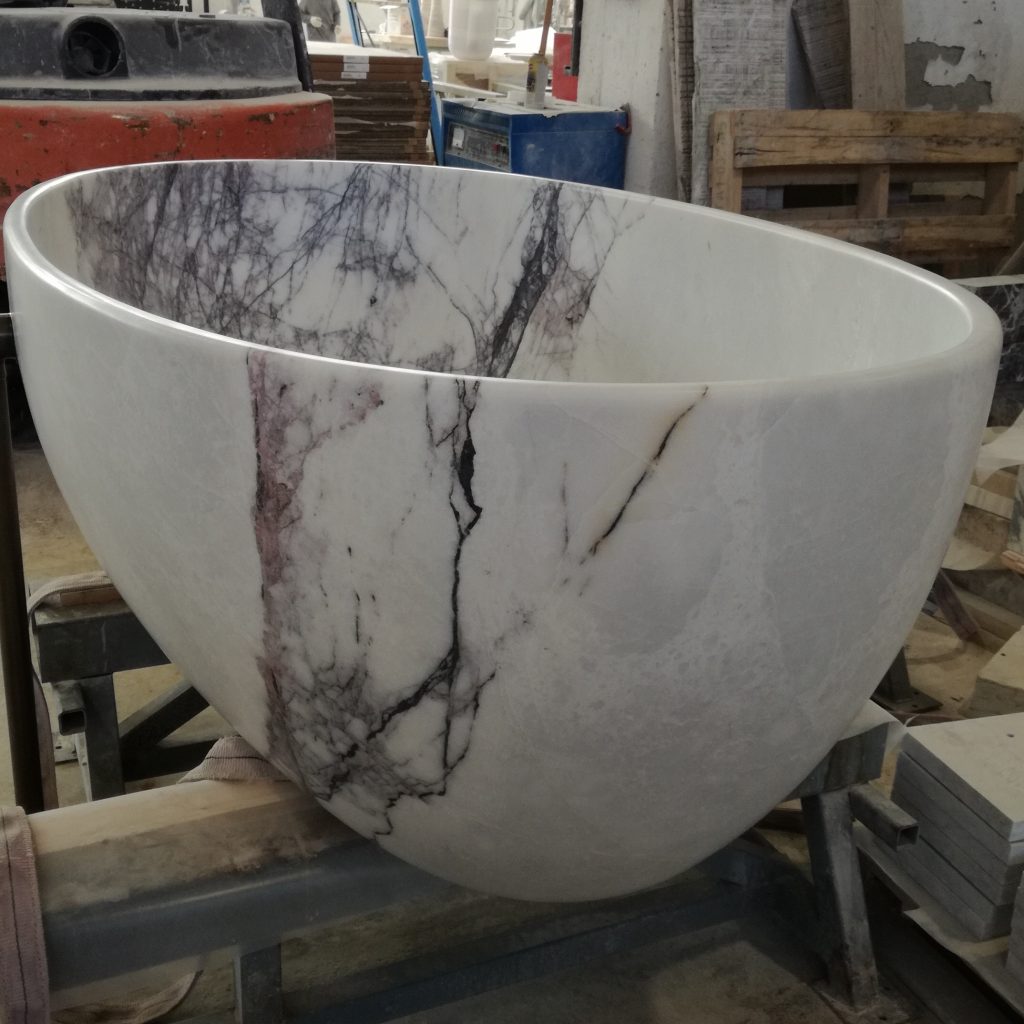
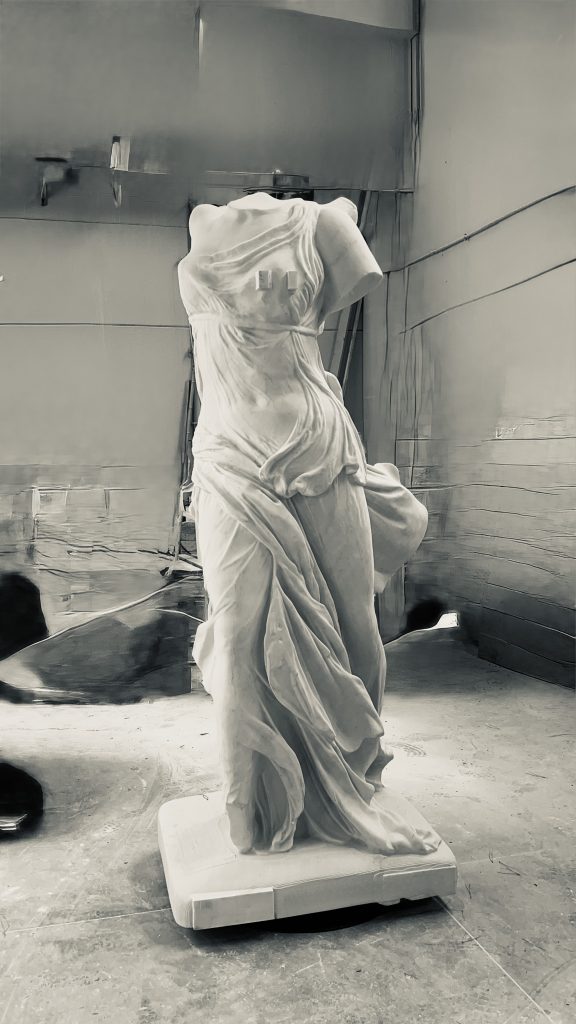
Beyond slabs, natural stone is increasingly carved, shaped, and engineered into bespoke architectural components.
Examples include:
- Sculptural staircases and risers
- Custom stone fireplaces
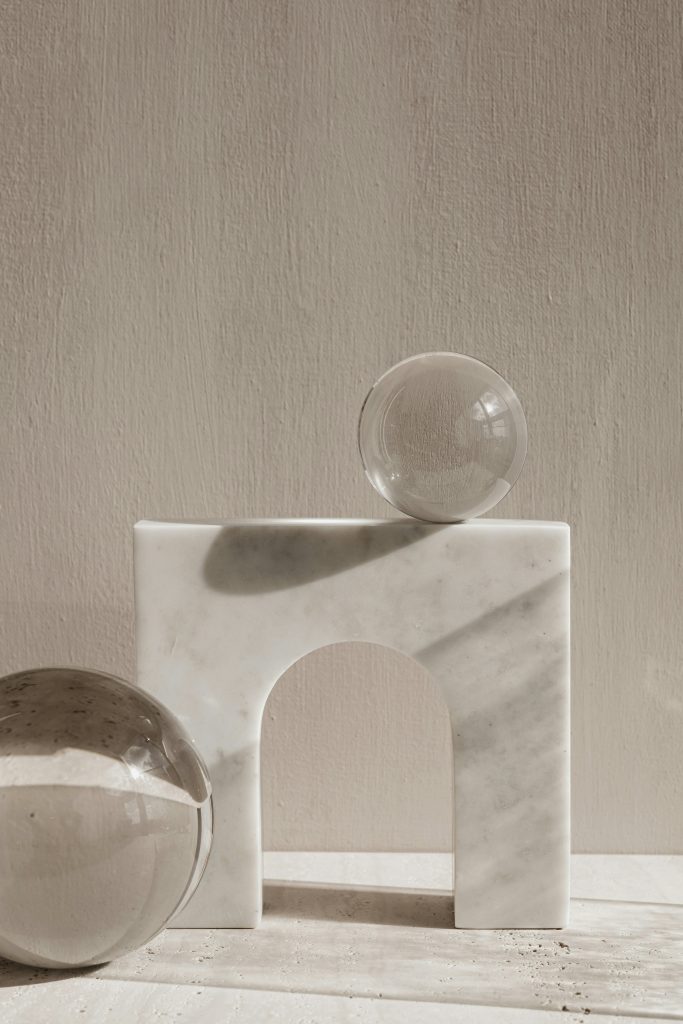
- Integrated seating and plinths
- Freestanding stone volumes
These elements blur the boundary between architecture and sculpture, transforming stone into a functional design statement.
Seamless Floor-to-Wall Stone Design
Seamless stone applications — where floors, walls, and architectural details align — create a strong sense of continuity. This approach is frequently used in luxury residential, hospitality, and retail environments where material consistency is essential.
Benefits of seamless stone design:
- Visual calm and spatial flow
- Enhanced perception of scale
- Reduced material interruption
- Elevated craftsmanship perception
Material Selection & Geological Character
The sculptural impact of stone depends heavily on material selection. Subtle marbles with fine veining offer restraint and elegance, while dramatic stones introduce movement and contrast.
Key considerations when selecting stone:
- Vein direction and scale
- Slab consistency and batch selection
- Surface finish (honed, polished, brushed)
- Structural and technical requirements
Each project demands a tailored approach, balancing aesthetics with performance.
Designing with Permanence in Mind
Natural stone brings a sense of longevity and permanence rarely matched by contemporary materials. Its ability to age gracefully makes it particularly suited to architecture intended to endure — both physically and visually.
For designers seeking authenticity, tactility, and depth, sculptural stone offers a material language rooted in nature yet adaptable to modern design.
Working with Stone at Architectural Scale
Successful sculptural stone projects require early collaboration between designers, suppliers, and fabricators. From quarry selection to slab layout and installation detailing, precision at every stage ensures the final result reflects the original design intent.
At Pietranoi, we collaborate closely with architects and designers to source and deliver bespoke natural stone solutions, supporting projects that demand exceptional material quality and architectural clarity.
Explore More Inspirations
Discover additional applications of natural stone across architecture, interiors, and bespoke design.